
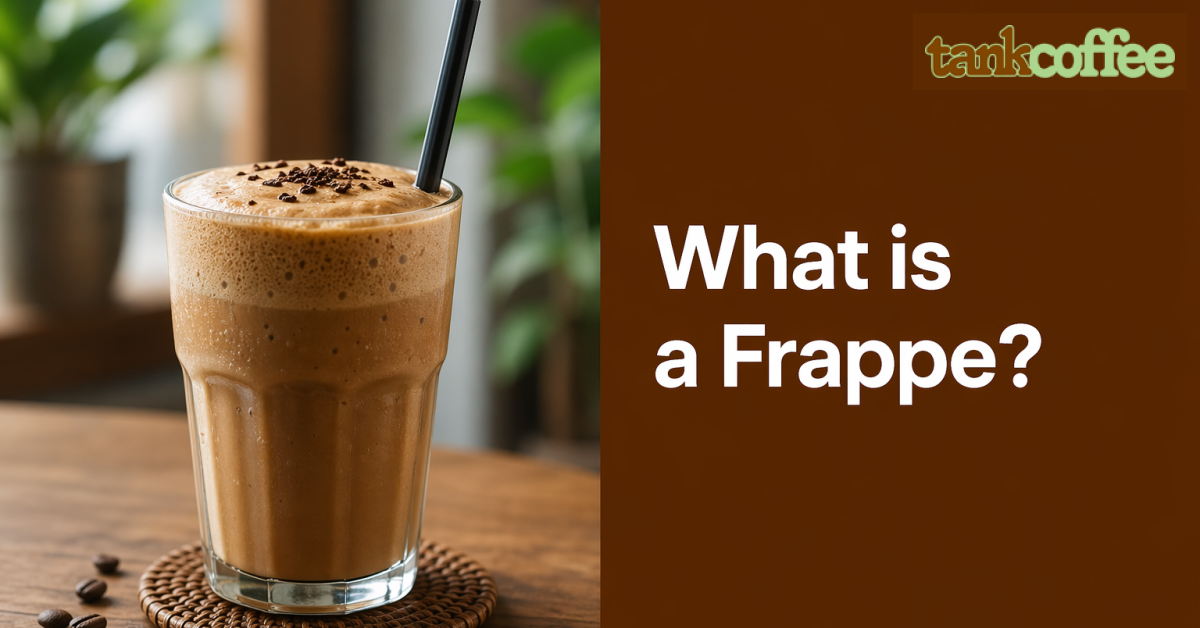
What is a Frappe?
A frappe is a cold, mixed drink defined more by texture than by a fixed recipe. In the UK, the word covers a lot of menu territory, from foamy instant coffee shaken over ice to thick, blended, cream-topped drinks that sit closer to dessert than to coffee. That flexibility is exactly why customers in Leigh, Manchester, or London can order the same word and receive three very different drinks.
British coffee culture has absorbed the term without fully agreeing on what it means. Independents, chains, and Greek-influenced cafes all use frappe in their own way, and that gap between menu label and actual recipe is where most ordering confusion starts.
Key Takeaways
Here is a quick summary of what a frappe actually is and how it shows up on UK menus.
- A frappe is a chilled drink built from ice, a liquid base, a sweetener, and usually coffee, defined by texture rather than a fixed recipe.
- The word covers three broad styles in the UK: Greek-style foam frappes, American-style blended frappes, and British hybrid versions.
- Frappuccino is a registered Starbucks trademark, while frappe is a generic term used freely across cafes.
- Preparation method (shaken, blended, or whisked) affects the drink more than any single ingredient.
- Caffeine and calorie content vary widely depending on coffee base, milk, syrups, and toppings.
- Bean quality still matters, particularly in espresso-led recipes where the coffee is not hidden behind sauce and cream.
Knowing the preparation style is the fastest way to predict what will actually land in your cup.
The Short Answer: What A Frappe Actually Is
A frappe is a chilled drink built from ice, a liquid base, a sweetener, and usually some form of coffee. It is shaken, whisked, or blended until the texture turns frothy, slushy, or thickened. The preparation method matters more than any single ingredient, because the defining feature is mouthfeel rather than flavour.
That distinction is what separates a frappe from a straight iced coffee. Iced coffee is brewed coffee poured over ice and generally stays thin. A frappe is mechanically worked into something smoother, denser, or foamier, which changes both how it tastes and how the sweetness registers on the palate.
Why The Definition Feels Slippery
The word itself comes from French, originally referring to chilled or iced drinks in general. Greek cafe culture then attached it firmly to a shaken instant coffee recipe in the mid-twentieth century. British menus inherited both meanings and added a third, closer to the blended American chain-style drink.
No single UK definition holds across every coffee shop, and that is the heart of the confusion.
Frappe In British Culture
British coffee habits lean toward hot drinks for most of the year, so frappes occupy a seasonal, treat-led corner of the menu rather than a daily-staple position. Demand spikes during warmer months, school holidays, and afternoon service, when customers want something cold, sweet, and a bit indulgent rather than a caffeine top-up.
The bigger cultural quirk is how the UK interprets the drink. American-style blended frappes dominate chain menus. Greek-style foam frappes appear in independents with Mediterranean influence. Plenty of British cafes have built their own hybrid, often a blended iced coffee with syrup and cream that borrows from both traditions without fully committing to either.
How UK Menus Differ From Greek And American Versions
A Greek frappe is usually instant coffee, cold water, sugar, and ice, shaken hard until a thick crown of foam forms on top. Milk is optional. An American-style frappe, closer to the branded chain drink, is blended with milk, ice, and syrup until smooth and dessert-like.
British menus pull from both, and the result depends almost entirely on who trained the barista and what equipment the shop runs.
Why Texture Matters More Than The Label
Two frappes on two menus can share a name and share almost nothing else. One might arrive thin, foamy, and bitter with a clear instant coffee bite. The other might land thick, sweet, and creamy with whipped cream and sauce.
Asking about preparation, not just ingredients, is the fastest way to know which one is coming.
How A Frappe Is Actually Made
The mechanics of a frappe come down to three decisions: what coffee base is used, what liquid carries it, and how the drink is worked. Each choice shifts the outcome, and small changes in ice ratio or blend time produce drinks with meaningfully different body.
Instant coffee remains the traditional Greek base because it dissolves cleanly in cold water and holds foam well when shaken. Espresso gives a stronger, more concentrated coffee note but does not foam the same way. Cold brew concentrate sits between the two, delivering depth without the sharpness of espresso pulled hot and cooled.
Blending, Shaking, And Whisking
Each method produces a different finished texture:
- Blenders aerate and crush ice at the same time, which is why blended frappes feel smooth and integrated.
- Cocktail-style shaking produces foam on top of a thinner liquid beneath, closer to the Greek result.
- Hand whisks or small electric frothers create a middle ground, useful for home preparation when a blender feels excessive.
The tool you pick up determines the drink you end up with, even before ingredients come into play.
The Ice-To-Liquid Balance
Too much ice produces a coarse, watery drink that dilutes quickly once the blender stops. Too little ice leaves the drink lukewarm and loose. Commercial recipes usually settle on a ratio that creates a short window of ideal texture, which is also why frappes do not hold up well if left sitting for ten minutes before drinking.
Sweeteners And Stabilisers
Sugar is the traditional sweetener, but syrups, condensed milk, and powdered frappe bases appear across UK menus. Powdered bases often contain stabilisers and thickeners that give a uniform result regardless of barista skill, which is why chain frappes taste more consistent but sometimes less distinctive than a well-made independent version.
Frappe Versus Frappuccino Versus Iced Coffee
These three terms overlap constantly on British menus, and the differences are worth knowing before ordering.
| Drink | What It Usually Means | Texture | How It Is Made |
|---|---|---|---|
| Frappe | Generic cold mixed drink | Foamy or thick | Shaken or blended |
| Frappuccino | Trademarked Starbucks drink | Smooth, dessert-like | Blended to a branded recipe |
| Iced Coffee | Brewed coffee over ice | Thin to medium | Poured, not blended |
Frappuccino is a registered trademark, which is why independent cafes almost never use the word on menus. A cafe selling a frappuccino is either borrowing the term loosely or risking a trademark issue. Frappe, by contrast, is free to use and applied generously.
Iced coffee stays in a different category entirely. It is the lightest of the three, built for people who want coffee flavour first and cold second, rather than a blended textural experience.
Common Frappe Styles You Will Encounter
Most British menu frappes fall into one of four recognisable styles, each with its own preparation and flavour profile.
The Greek-Style Foam Frappe
Instant coffee, cold water, sugar, ice, and sometimes a splash of milk. Shaken hard or whisked until the foam layer sits thick on top. Sharp, light, and often more bitter than British customers expect. Common in cafes with Mediterranean ownership or menu influence.
The Blended Coffee Frappe
Espresso or cold brew blended with milk, ice, and often a syrup. Smoother, sweeter, and more integrated than the Greek version. This is the style most British customers picture when they hear the word, shaped largely by chain menus.
The Dessert Frappe
Ice cream or a sweetened base blended with milk, flavoured syrup, and ice, then topped with whipped cream and sauce. Coffee may appear only as a flavouring. Closer to a milkshake than a coffee drink, and priced accordingly on most menus.
The Non-Coffee Frappe
Chocolate, matcha, chai, strawberry, or other fruit-based versions. Caffeine content varies from moderate to zero depending on the base. Useful to know about if you are ordering for a group with mixed preferences.
Knowing which of the four is on offer helps you match the drink to the moment.
Ingredients That Change The Drink Meaningfully
A handful of variables shift a frappe from light and coffee-forward to rich and dessert-like, and they are worth understanding before you order or build your own.
Milk choice shifts both body and flavour. Whole milk produces the richest result. Oat milk holds up well in blended drinks because of its fat content. Skimmed milk or almond drink tends to produce a thinner, icier finish that some drinkers prefer in warm weather.
Coffee base controls caffeine and flavour clarity. A double shot of espresso delivers depth and bitterness that stands up to sweeteners. Instant coffee gives a cleaner but lighter profile. Cold brew concentrate sits richest of all and pairs well with chocolate or caramel additions without turning muddy.
Sweeteners and syrups are the variable that most cafes use to mark their house style. Vanilla and caramel lean familiar and approachable, hazelnut and mocha lean richer, and seasonal syrups like gingerbread or biscotti appear in autumn and winter menus even though frappes are not traditionally cold-weather drinks.
The Role Of Bean Quality
The coffee base still matters, even when sweetness and dairy dominate the drink. A well-roasted Arabica bean carries through a blended drink more clearly than a bitter, over-extracted commodity blend, particularly in espresso-based recipes. Origin matters less in a heavily flavoured frappe than in a flat white, but it is not irrelevant, and a 100% Arabica base tends to produce a cleaner finish with less bitter aftertaste.
For home preparation, using freshly roasted beans rather than long-shelved supermarket coffee makes a noticeable difference in the finished drink, especially in espresso-led recipes where the coffee is not hidden behind sauce and cream.
Nutrition, Caffeine, And What To Expect
Frappes vary hugely in what they deliver nutritionally, so the name on the menu is a poor guide to what you are actually drinking.
Calorie range varies dramatically by recipe. A modest Greek-style frappe with a small amount of sugar and a splash of milk stays relatively light. A large blended dessert frappe with whipped cream, sauce, syrup, and whole milk can climb into territory closer to a full meal than a drink. Cup size multiplies everything, so a large is rarely just more of the same.
Caffeine follows the coffee base rather than the drink name. Espresso-led frappes carry more caffeine per volume than instant-coffee versions. Non-coffee frappes may contain none at all, or a moderate amount if built on matcha or a chocolate base with cocoa content.
Sugar is where most people underestimate a frappe. Syrups, sauces, whipped cream, and sweetened bases stack quickly, and the cold, smooth texture masks the sweetness far more than in a hot drink. A frappe often tastes less sweet than it actually measures.
Making A Frappe At Home
Home preparation is more forgiving than the cafe version because you control every variable. A basic setup needs a blender or a cocktail shaker, ice, milk or water, a coffee base, and a sweetener.
For a Greek-style frappe, combine two teaspoons of instant coffee, sugar to taste, and a small splash of cold water in a shaker or jar with a tight lid. Shake hard for thirty seconds until thick foam forms. Pour over ice and top with cold water or milk. The drink should sit with a visible foam crown and a darker liquid below.
For a blended frappe, pull a double shot of espresso, cool it briefly, then blend with a cup of ice, half a cup of milk, and a tablespoon of syrup or sugar. Blend until the ice is fully broken down and the texture is smooth. Adjust milk and ice if the drink runs too thin or too dense.
The bean you use shapes the result. A single origin Arabica, roasted recently, gives a cleaner coffee note than a stale pre-ground blend. For readers in Leigh and across Greater Manchester, sourcing freshly roasted beans locally avoids the long shelf times typical of supermarket coffee. Tank Coffee roasts to order from a Leigh-based roastery and supplies both households and businesses across the region.
When A Frappe Is The Right Choice
A frappe suits a specific occasion rather than a daily habit. It earns its place in warm weather, as an afternoon treat, as a softer introduction for people who find hot coffee too sharp, and as a menu option for customers who want a cold drink with more body than iced coffee offers.
It is not a substitute for a proper espresso-based drink if coffee flavour clarity is the priority. The sweetness, dairy weight, and blended texture round off the coffee notes that flat whites and Americanos are designed to showcase. That is a feature, not a flaw, but it matters when choosing.
For cafes and offices buying coffee in bulk, frappe demand tends to be seasonal and location-dependent. Venues with a younger customer base, outdoor seating, or a dessert-heavy menu position see higher frappe sales than traditional morning-trade coffee shops.
Ordering A Frappe Without Surprises
A couple of quick questions before ordering can save you from an unexpected drink in an unfamiliar cafe.
- Is the drink blended or shaken? That tells you whether to expect smooth thickness or layered foam.
- Does it contain actual coffee? Some menu frappes are closer to flavoured milkshakes than coffee drinks.
- What size suggests what intent? A small or medium frappe on an independent menu is often coffee-led, while a large frappe with named toppings is almost always dessert-led.
Chains tend to be more uniform across sizes but heavier on sweetness overall. If you want less sugar, ask directly. Many cafes can reduce syrup or omit sweetened bases, but the default recipe is built around a sweeter palate, and baristas will not usually adjust without a request.
Talk To Tank Coffee About Your Bean Supply
If you run a cafe, office, or hospitality venue across Leigh, Wigan, Warrington, or the wider Greater Manchester area, and you want freshly roasted Arabica beans that hold up in both hot drinks and cold blended recipes, Tank Coffee supplies bagged coffee direct from a Leigh roastery with ethically sourced origins including Ethiopia, Kenya, and other African growing regions.
We roast to order, deliver locally, and supply bigger bag sizes than many regional competitors, which matters when frappe season hits and volume climbs. Call 01942 946232 to discuss wholesale supply, subscription options for offices, or a taster pack if you want to compare beans before committing.
Frequently Asked Questions
Is a frappe always a coffee drink?
No. The word frappe originally meant chilled or iced, and British menus now use it for drinks that may contain espresso, instant coffee, cold brew, or no coffee at all. Chocolate, matcha, and fruit-based frappes are common, so it is worth asking when the menu is unclear.
What is the real difference between a frappe and a frappuccino?
Frappuccino is a registered Starbucks trademark for a specific blended drink, which is why independent cafes avoid the word. Frappe is a generic term covering a broad range of cold mixed drinks, from Greek foam-topped instant coffee to blended dessert-style versions. The drinks can look similar, but the naming is a legal distinction as much as a recipe one.
Do I need an espresso machine to make a decent frappe at home?
Not for every style. A Greek-style frappe needs only instant coffee, a shaker, ice, and sugar. A blended milk-based frappe benefits from espresso but works with strong brewed coffee, moka pot coffee, or cold brew concentrate. A blender matters more than an espresso machine for the smooth, thickened texture most people associate with the drink.