
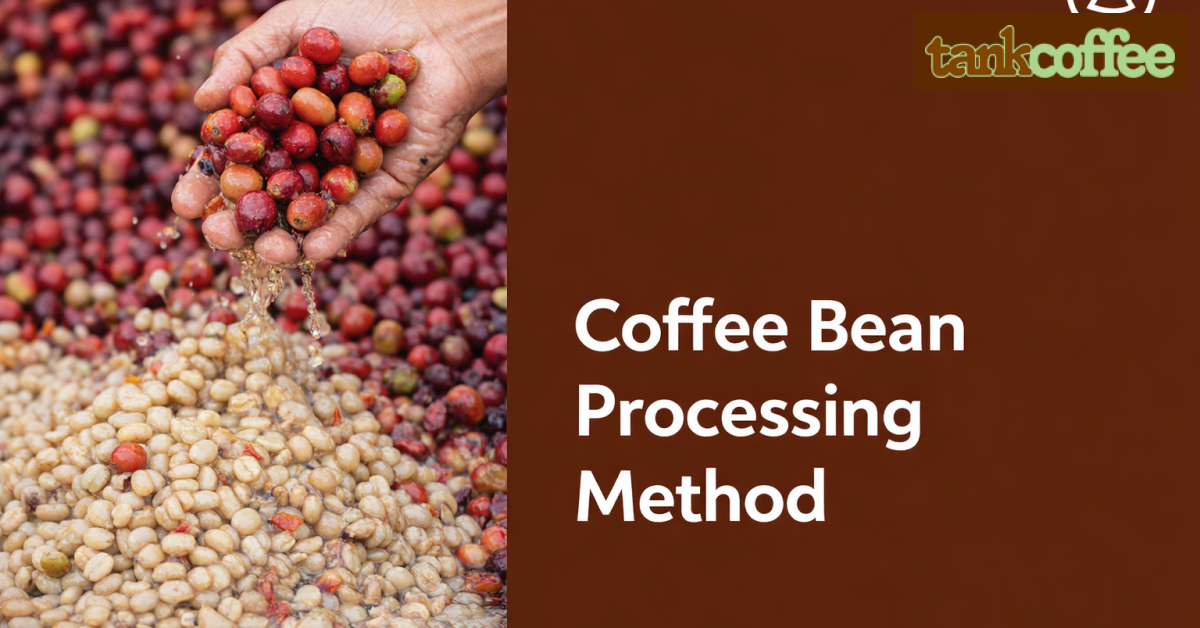
Coffee Bean Processing Method
You are standing in a Northern Quarter coffee shop, staring at two of our bags. Both are from Ethiopia, but one says “Washed” and the other “Natural,” and the price is different. That single word on the label, “processing,” creates a real difference in flavour, body, and sweetness. It even changes how forgiving the coffee is to brew at home.
Here at our roastery in Leigh, Greater Manchester, we track this chain obsessively from the cherry to the final roasted bean. Understanding the process gives you a clearer way to read our labels and avoid buying a coffee that tastes nothing like you expected.
How Coffee Bean Processing Shapes The Cup
Coffee processing is the series of steps between picking a ripe cherry at the farm and preparing the green bean for export to our roastery. This stage is critical. It controls how much fruit pulp stays in contact with the seed, dictates the speed and method of drying, and determines the bean’s stability.
For anyone new to specialty coffee, processing is the factor that most immediately changes the character in the cup. The first question to ask yourself is whether you prefer crisp, articulate flavours or a fruit-forward, heavier body. The processing method is the biggest driver of that split.
Why Processing Changes Flavour, Body, And Acidity
The amount of contact time between the coffee seed and the sugary fruit pulp fundamentally alters the final taste. Longer contact, as in a natural process, allows for more fermentation and sugar absorption, which boosts fruitiness and body. Cleaner, faster removal of the fruit tends to preserve the bean’s inherent clarity and bright acidity.
How Processing Affects Sweetness, Clarity, And Texture
Drying speed, fermentation type, and the amount of sticky mucilage left on the bean all influence the final texture. We find the main trade-off is between balance and intensity. Gaining more sweetness and a rounder mouthfeel often means sacrificing some flavour separation. A cleaner, washed coffee might feel lighter but have more distinct notes.
The Main Coffee Processing Methods We See
Most coffee drinkers first encounter three methods on our labels: washed, natural, and honey. These provide a reliable starting point for predicting flavour without needing a degree in agronomy.
No single method is inherently superior. The choice represents a trade-off that becomes obvious in the final cup. Flavour cleanliness, fruit character, and body all shift based on how the producer handled the cherry right after harvest.
Washed Processing
Washed coffees have all the fruit skin and mucilage removed with water before the drying stage begins. This method gives our Kenya Kiri Kirinyaga AB its signature grapefruit-like acidity and clean finish. Washed lots produce a cup with high flavour separation and a transparent taste.
Natural Processing
Natural processing means drying the coffee bean with the entire cherry still intact. This method is responsible for the big, jammy berry notes in our Ethiopia Sidamo. Natural lots often present with more dominant fruit, a fuller body, and lower clarity, especially if the drying process on the raised beds was slow and deliberate.
Honey Processing
Honey processing removes the cherry skin but leaves a specific amount of the sticky mucilage on the bean during drying. These lots, often from Costa Rica or El Salvador, strike a middle ground. They offer more sweetness and body than a typical washed coffee but retain more clarity than most naturals.
Less Common Coffee Processing Methods
Some regions and forward-thinking producers are using methods that sit outside the main three. These approaches often arise from local climate conditions, available infrastructure, deep-seated tradition, or the roaster’s demand for unique flavour profiles. While these can produce mint-tasting coffees, the label doesn’t always tell the whole story about quality. An experimental tag sounds impressive but means nothing without a great result in the cup.
Wet Hulled Processing
Common in Indonesia, the “Giling Basah” or wet-hulling process involves removing the parchment layer while the bean’s moisture content is still very high. This is what gives many Sumatran coffees their distinctive earthy, savoury, and heavy-bodied profile with almost no sharp acidity.
Experimental And Extended Fermentation Methods
These methods deliberately alter the fermentation phase by manipulating time, temperature, or using specific yeast strains. We’ve cupped some that have intense, almost unbelievable flavours of cinnamon or tropical fruit. The risk is high, as a small slip in control can lead to unstable, faulty-tasting coffee.
Anaerobic Processing
This method involves fermenting the coffee in a sealed, oxygen-deprived tank. Anaerobic lots can produce bold fruit notes, powerful sweetness, and a character that reminds us of red wine. The process also magnifies any flaws, so there is nowhere for a poorly sorted lot to hide.
How Each Processing Method Works in Practice
Every process follows a similar path from a ripe red cherry to a stable green bean ready for our roaster, “Grace”. The crucial differences are when the fruit is removed, how fermentation is handled, and the precision of the drying. For us and for UK buyers, these steps are not just trivia. They are the direct cause of a coffee’s flavour and consistency. A frequent failure we see is uneven drying, which kills shelf stability and creates a muddled, disappointing brew.
Harvesting And Sorting
The process begins with meticulous sorting to remove any underripe, overripe, or damaged cherries. Better sorting at the farm means higher consistency in our roastery, as defective fruit is a primary source of off-flavours.
Pulping, Fermentation, And Drying
Pulping strips the outer layers, fermentation breaks down the remaining mucilage, and drying lowers the moisture content to a stable level for shipping. Every stage is a chance to enhance or ruin the coffee. Poor control at any point invites defects.
Hulling, Resting, And Milling
Hulling removes the final parchment layer after drying. A resting period allows the bean’s internal moisture to stabilize. Milling then prepares the lot for grading and export. A clean finish here helps preserve all the hard work done earlier.
Processing Method And Our Roast Behaviour
Processing dramatically changes a green coffee’s physical state. Its moisture content, bean density, and surface texture all dictate how heat moves through the bean inside our roaster. We pay close attention to processing because a washed and a natural coffee from the same farm in Ethiopia will behave completely differently in the drum. That difference shows up in our charge temperature, the rate-of-rise curve, and how fine the line is between a beautifully developed roast and one that tastes dull or harsh.
How Moisture And Density Affect Roasting
Moisture and density are key variables for heat transfer. Denser beans, like a high-grown washed Kenyan, need a more aggressive application of energy at the start of the roast. A lower-density natural or honey-processed coffee might race ahead and scorch if we apply the same heat.
Why Processed Coffee Behaves Differently in Our Roaster
Beans from fruit-heavy processes often have more residual sugars on their surface, making them less uniform during roasting. The trade-off is clear on our end: the most expressive and wild-tasting coffees often give us the narrowest margin for error. We might only have a 10-second window to drop the batch before the flavours turn baked.
What We Look For Before Profiling A Coffee
Before loading a new coffee, our head roaster Garth checks the moisture reading (ideally 10-11.5%), density, screen size, and any process notes from the farmer. Even the colour and smell of the green beans can hint at the processing intensity or potential storage problems, giving us clues for building the initial roast profile.
Processing Method And Your Brewing Results
Processing continues to matter long after our roaster has cooled down. Your brewing method will highlight different strengths in each coffee. The same V60 recipe can produce wildly different results across our washed, honey, and natural lots. Beginners notice these shifts first in the coffee’s body, its finish, and the clarity of its flavours. It often explains why one of our coffees tastes crisp and citrusy while another tastes like strawberry jam.
Espresso Results Across Different Processes
Espresso is an amplifier. It magnifies the body and sweetness in our natural and honey-processed coffees, creating a rich, syrupy shot. Our washed coffees typically show sharper structure and cleaner acidity as espresso, which can be perceived as lively and articulate.
Filter Coffee Differences Across Processing Methods
Filter brewing, like a pourover or batch brew, makes flavour separation easy to spot. Here in Greater Manchester, we benefit from famously soft water that comes from the Pennines. This water is highly efficient at extraction. It allows the distinct floral and citrus notes in a washed Ethiopian coffee to shine with incredible clarity. A natural coffee brewed with our local water will produce a rounder, blended fruit profile.
How Beginners Notice Processing In The Cup
Newcomers to specialty coffee usually notice processing’s effect on texture first, then the fruit character, and finally the aftertaste. The friction point is expectation. A coffee we describe as “berry-rich” on the bag is not going to drink like a crisp, citrusy washed lot, and that’s by design.
How To Read Processing Information On Our Coffee Bags
Our bags include processing notes, but the goal is to be useful, not vague. A clear label helps you predict the style of coffee in the bag, while a vague one relies on marketing buzzwords over practical detail. You’ll get more value from simple terms like “Washed” or “Natural” than from dramatic but meaningless flavour claims. This becomes especially true with repeat purchases, where those core process names are the best predictors of the cup.
Common Terms Found On Labels
The most common terms you’ll see are washed, natural, honey, anaerobic, and wet-hulled. Some of our bags might also mention fermentation time or drying details, but the level of detail varies.
Processing Notes That Matter Most To Us
The most useful details are the specific process, the coffee’s origin and variety, and the roast date. The process name alone is a good guide, but the cup profile becomes much easier to predict when you see those details together.
When Marketing Terms Need A Closer Look
Terms like “exotic,” “wild fermented,” or “special prep” need more context to have any real meaning. A quick check is to see if the bag explains the actual method used, not just the impression it’s trying to create. We aim for transparency, not mystery.
Choosing The Right Coffee Processing Method For Your Taste
Processing gives you a simple way to choose coffee based on taste profile rather than just its country of origin. The easiest way is to match your preference for clarity, fruit intensity, or balance with the process that’s most likely to deliver it. Your preference is what matters, not rigid rules. A common mistake is assuming one process works for every brew method, when your personal taste in espresso and filter coffee might point in different directions.
Best Options For Clean And Bright Cups
Washed coffees are for drinkers who want clean flavours, a lighter body, and bright, structured acidity. Many of our washed coffees from Kenya and Ethiopia fit this profile perfectly.
Best Options For Fruity And Heavier Cups
Natural and many anaerobic coffees will suit drinkers who want intense fruit notes, a heavier texture, and a lingering finish. These coffees make a bold statement, especially in espresso or immersion brewers like the French press.
Best Options For Balanced And Sweet Profiles
Honey processing often hits the sweet spot for buyers who want enhanced sweetness and body without giving up too much flavour clarity. It’s a great middle ground for those looking to explore beyond standard washed coffees.
Common Misunderstandings About Coffee Processing
Processing is only one part of the picture, and understanding the key coffee bean quality factors can help you judge what else is shaping flavour beyond the method on the label. The roast level, origin, varietal, altitude, storage, and your own brewing all shape the final result. Confusion often begins when one term on a label is treated as a complete judgement of quality.
This oversimplification makes buying coffee less accurate, especially if you’re trying to build a reliable sense of your own taste.
Processing Method Is Not The Same As Roast Level
Processing describes how the cherry becomes a green bean. Roast level describes how we later apply heat to that bean. A dark-roasted natural and a light-roasted natural from the same farm will not taste alike just because their process was the same.
Origin And Variety Still Matter
Origin and varietal genetics create the raw potential for flavour, acidity, and structure before processing even begins. An Ethiopian natural and a Brazilian natural will almost always show vastly different cup profiles because of their inherent terroir and genetics.
Experimental Processing Does Not Always Mean Better Quality
Experimental processing creates distinctive flavours, but “distinctive” does not automatically mean “high quality.” The trade-off often appears in balance, where overpowering fermentation notes can sometimes mask the coffee’s origin character rather than enhancing it.
Our Quick Buying Rubric
This simple rubric helps connect process names with likely cup outcomes, reducing the chance of picking a coffee that doesn’t fit your taste.
| Preference Or Situation | Best Starting Process | Likely Cup Result |
|---|---|---|
| Clean, bright, easy-to-read flavours | Washed | Higher clarity, lighter body, sharper acidity |
| Sweet, balanced, less extreme | Honey | Round sweetness, moderate body, softer clarity |
| Fruity, bold, heavier mouthfeel | Natural | Bigger fruit notes, fuller body, lower separation |
| Unusual flavours and strong fermentation character | Anaerobic or experimental | Intense fruit, wine-like notes, higher risk of unevenness |
Use this as a shortcut, then check the origin, variety, and roast date for a more reliable final read.
It All Comes Down to Taste
The processing method is the story of how a coffee cherry was handled before it ever reached our roastery. That choice leaves a clear, undeniable mark on flavour, texture, and brewing behaviour. Washed coffees lean clean and bright, naturals lean fruity and heavy, and honeys find a sweet spot in between.
As artisan roasters based in Greater Manchester, with a big heart for the African farmers who grow our 100% Arabica beans, our job is to understand this story. When you read our bags with your own taste preference in mind, you get closer to buying a coffee that is genuinely, as the locals say, ‘mint’.